So much more than "black rubber"

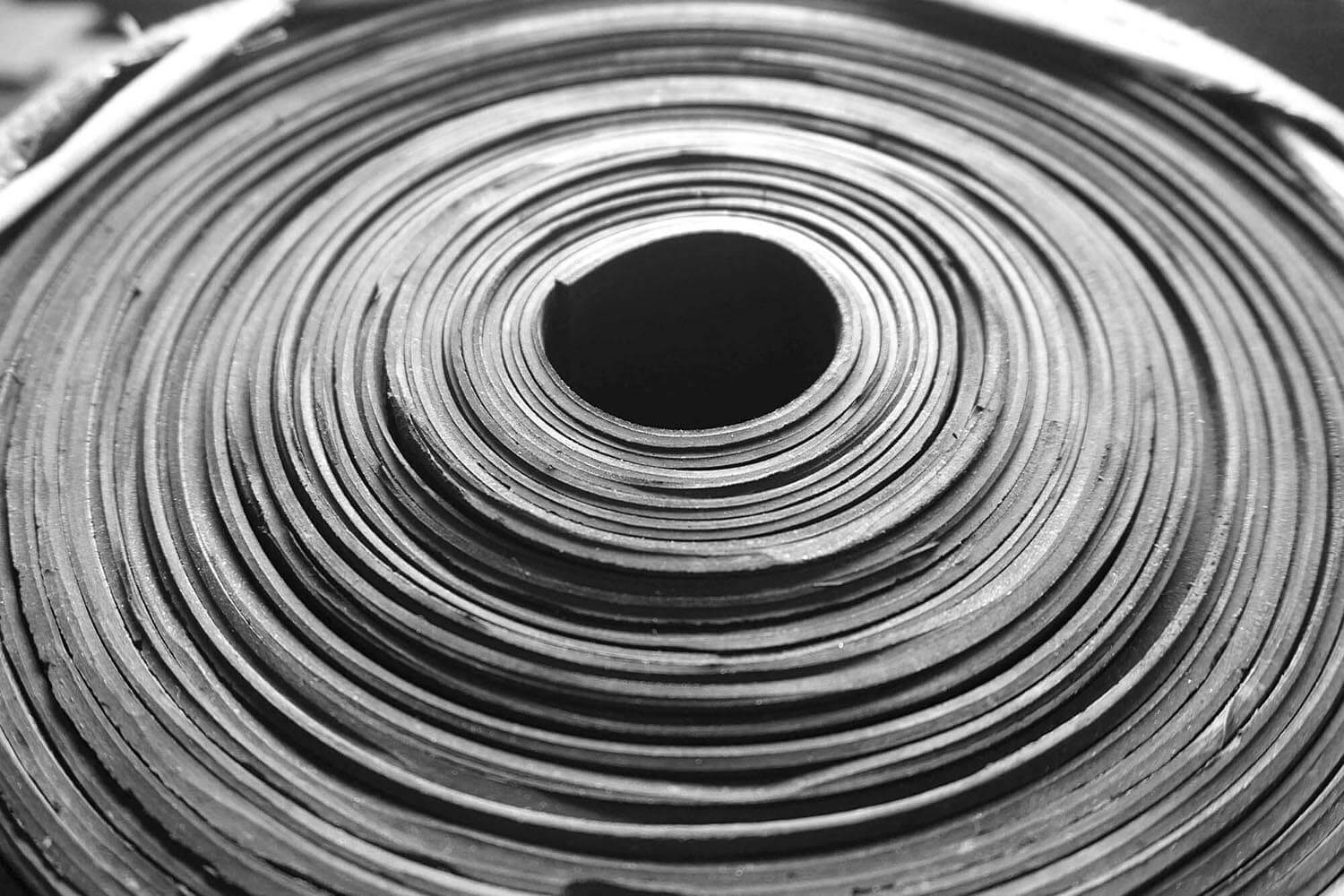
“Rubber” is a polymer-based compound cured (sometimes known as “vulcanized”) to form a thermoset elastomer. The base polymer formulations are grouped into over a dozen elastomer “family” types. Within those elastomer families there can be hundreds of sub-formulations developed to optimize seal performance in a variety of operating conditions and performance requirements. Engineered Elastomer family types include all common and exotic elastomer groups such as: FKM VitonTM flouroelastomer; HiflourTM fluoroelastomer; EPDM EPR Ethylene Propylene, Ethylene Propylene Diene Monomer; Acrylonitrile-butadiene Nitrile BunaN, NBR; AU Polyurethane; Silicone VMQ, LSR; Fluorosilicone FVMQ; Hydrogenated Nitrile; Perflouroelastomer FFKM KalrezTM, ChemrazTM ParofluorTM UltraTMPerlastTM ; HNBR; XNBR; Butyl IIR; and Tetrafluoroethylene-Propylene AFLASTM. Within each main polymer family there are many hundreds of variants specially compounded with physical properties dialed in for specific use applications such as wear resistance, anti-extrusion, low compression set, low temperature resiliency, friction reduction, explosive decompression resistance (EDR), and so on.

Materials are available in most polymer family types formulated to meet regulatory requirements and industry standards including FDA A-F, USP VI, 3A c.1, WRAS, ADI

  • Note re FDA:  Food and Drug Administration 
  • US administrative law, Code of Federal Regulations Title 21 
  • Regulation: responsibility for demonstration of compliance with CFR 21.177.2600 lies with the rubber manufacturer 
  • Paragraph A-D
  • List the ingredients and quantitative limits (only suitable for Dry Foods) 
  • Paragraph A-E
  • Extraction testing in water and n–hexane (suitable in Dry and Aqueous) 
  • Paragraph A-F
  • Suitable in Dry Aqueous and Fatty 

And engineered thermoplastics

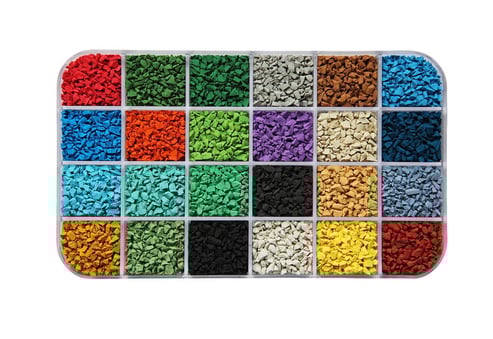
Where media, pressures, and dynamics drive material selection beyond elastomers we move into engineered thermoplastics and metals (PTFE TeflonTM, PEEK, DelrinTM  acetal resin polyoxymethylene (POM), polyimide VespelTM, PFA, FEP, ETFE, ECTFE, PCTFE, PVDF, etc.).

Engage with our technical team to take the guesswork out of material selection.

  • Aflas is a registered trademark of Asahi Glass Co., Ltd
  • Chemraz is a registered trademark of Greene, Tweed Technologies, Inc.
  • Delrin is a registered trademark of Dupont Polymers, Inc.
  • Kalrez is a registered trademark of Dupont Polymers, Inc.
  • Parofluor, Ultra are registered trademarks of Parker Hannifin Corporation
  • Perlast is a registered trademark of Precision Polymer Engineering Limited.
  • Teflon is a registered trademark of the Chemours Company
  • Vespel is a registered trademark of Dupont Polymers, Inc.
  • Viton is a registered trademark of the Chemours Company

Thermoplastics
grid pattern full
grid pattern box

Material Family Guide

Material Family Typical Service Temp* Best For  Use Caution / Not Ideal For Common Seal Formats
NBR / Buna-N -40 to +250°F Petroleum oils, fuels, hydraulics, and general industrial service Ozone, weathering, and some aggressive chemicals O-rings, x-rings, custom molded shapes, gaskets
HNBR -40 to +300°F Hot oils, fuels, refrigerants, and higher-heat dynamic service Some polar chemicals; compound-specific limits matter O-rings, hydraulic seals, custom profiles
EPDM -60 to +250°F Water, steam, glycol fluids, ozone, and outdoor service Petroleum oils and fuels O-rings, sanitary seals, gaskets, custom extrusions
VMQ / Silicone -80 to +450°F Very wide temperature exposure, food/medical options, static seals Abrasion, tear resistance, some oils, and steam conditions O-rings, gaskets, molded shapes
FVMQ / Fluorosilicone -80 to +350°F Low-temp fuel and oil resistance, aerospace/military environments Higher wear/dynamic abuse than tougher elastomers O-rings, specialty aerospace seals
FKM / Fluorocarbon -20 to +400°F Chemicals, fuels, oils, and high-temperature sealing Steam, amines, and ketones in many grades O-rings, x-rings, gaskets, custom molded shapes
FFKM / Perfluoroelastomer 0 to +550°F Extreme chemicals, high purity, plasma, high-cost downtime environments Cost-sensitive applications O-rings, specialty custom seals
PTFE -300 to +500°F Broad chemical resistance, low friction, non-stick surfaces Elastic recovery; often best in spring-energized designs Backup rings, spring-energized seals, machined seals

*Typical family ranges shown for quick reference only. Actual performance depends on compound, media, pressure, hardware, motion and required life.