

Rotary Shaft Sealing for Robotic Joints
Material Selection, Lip Geometry, and Validation for High-Dynamic Motion
The robotics space is rapidly changing with significant advancements on robots handling complex tasks such as heavy lifting or precise object manipulation that we thought only humans could do. This level of articulation requires components to be smaller and minimize friction/stiction as much as possible and this includes small diameter and cross-section seals.

Darcoid recognizes the need for compact, durable, high-performance seals and has options for tight space constraints engineered for demanding environments. We offer high performance PTFE seal profiles for shaft diameters down to 3.2mm and cross sections as tiny as 1.6 mm (about the thickness of two credit cards). Using smaller seals with smaller grooves, these seals reduce overall size and weight of the system which translates to faster performance and improved efficiency.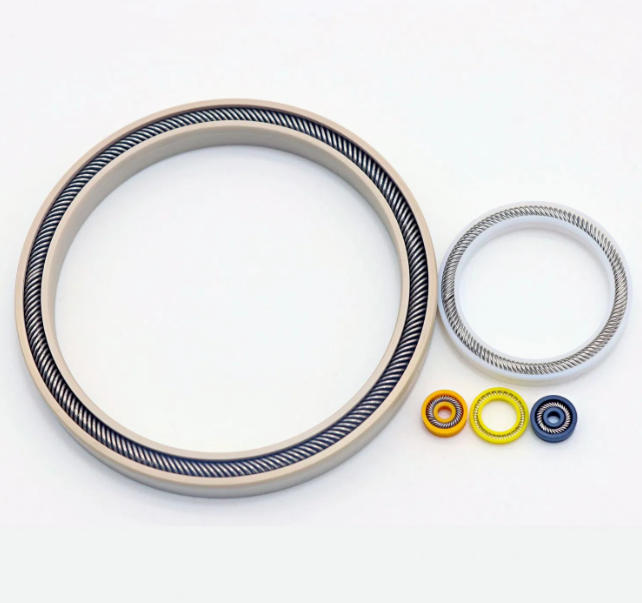
Darcoid’s seal design expertise along with our access to global manufacturing partners and material science experts are the core of achieving the optimal sealing solution. Our seals are engineered to deliver leakage protection, efficiency, and durability, and we are dedicated to creating a solution that would become indispensable in modern robotics.





You need to get your best product designed, validated, specified, ramped and released. We’ve got your back, from concept through zero defect supply programs. It starts with understanding what you need the seal to do. We’re ready to get started.



