EDIT12
Varies by OEM
$$
block pattern

Specs

Pressure Low, Medium
Dynamic Service Speed N/A
Seal Directionality Unidirectional
Manufacturing Method Compression, Transfer
Common Modifications Surface modifications and coatings
Catalog Standards Varies by OEM
Customizable Yes
Comparative Cost $$
grid pattern left

Special Applications

Materials, break force, installation types vary with application requirements


More Information

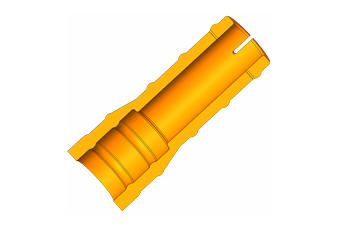
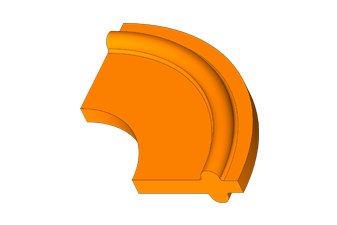
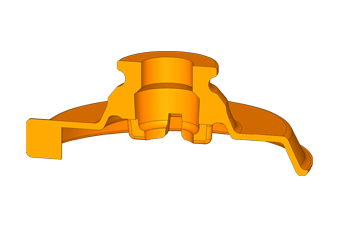
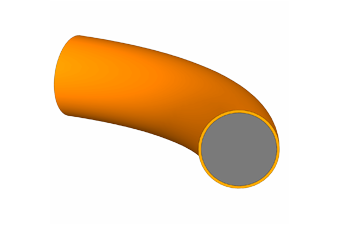
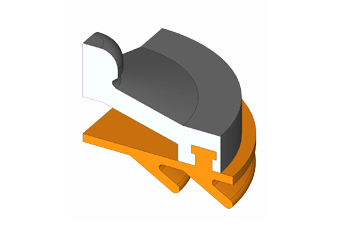
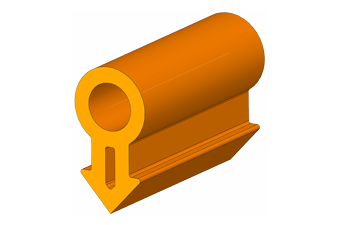
Venting and purging - three different approaches
Precision ground/molded balls, duckbill seals, and umbrella seals all perform functions of one-way pressure relief valves. Each approach has its own design considerations and performance envelopes. Schedule a conversation with our technical team to learn which is best the application you're working on.
gfx grid bgstyle1
gfx grid bgstyle1m

Check Valve Duckbill, Umbrella, & Ball FAQs

The best approach depends on the required cracking pressure, backflow prevention, available package space, media, flow rate, particulate exposure, orientation, and required life. Duckbill and umbrella valves use elastomer geometry to create the one-way function, while ball-style designs use a discrete sealing element and seat. The design should be selected around the fluid-control requirement rather than simply choosing the smallest geometry.

Cracking pressure is influenced by geometry, elastomer properties, wall or lip thickness, interference or preload, and manufacturing tolerances. Material choice also matters because temperature and media exposure can change elastomer stiffness over time. For applications where cracking pressure is critical, the complete valve geometry and operating environment should be evaluated and validated through testing.

Provide the surrounding hardware or CAD, desired cracking and reseal pressure, operating pressure range, media, temperature, required flow, allowable leakage or backflow, expected cycle life, and sterilization or cleaning requirements if applicable.