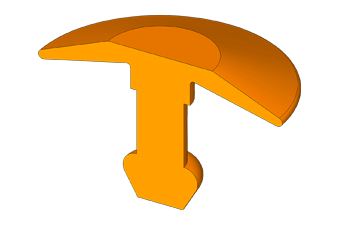
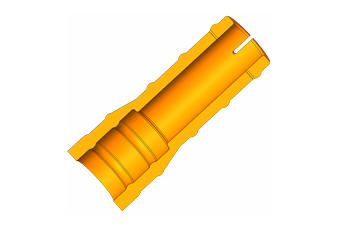
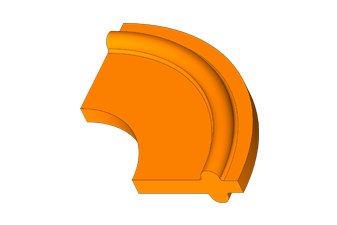
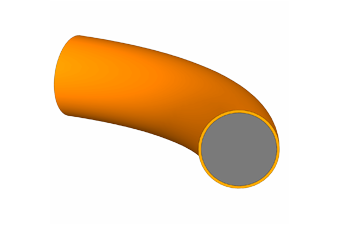
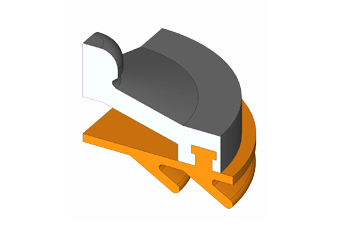
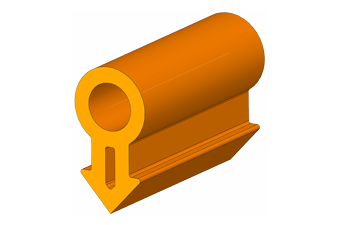
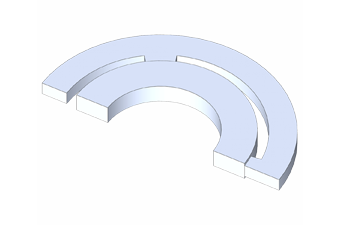
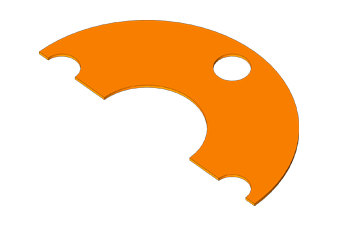
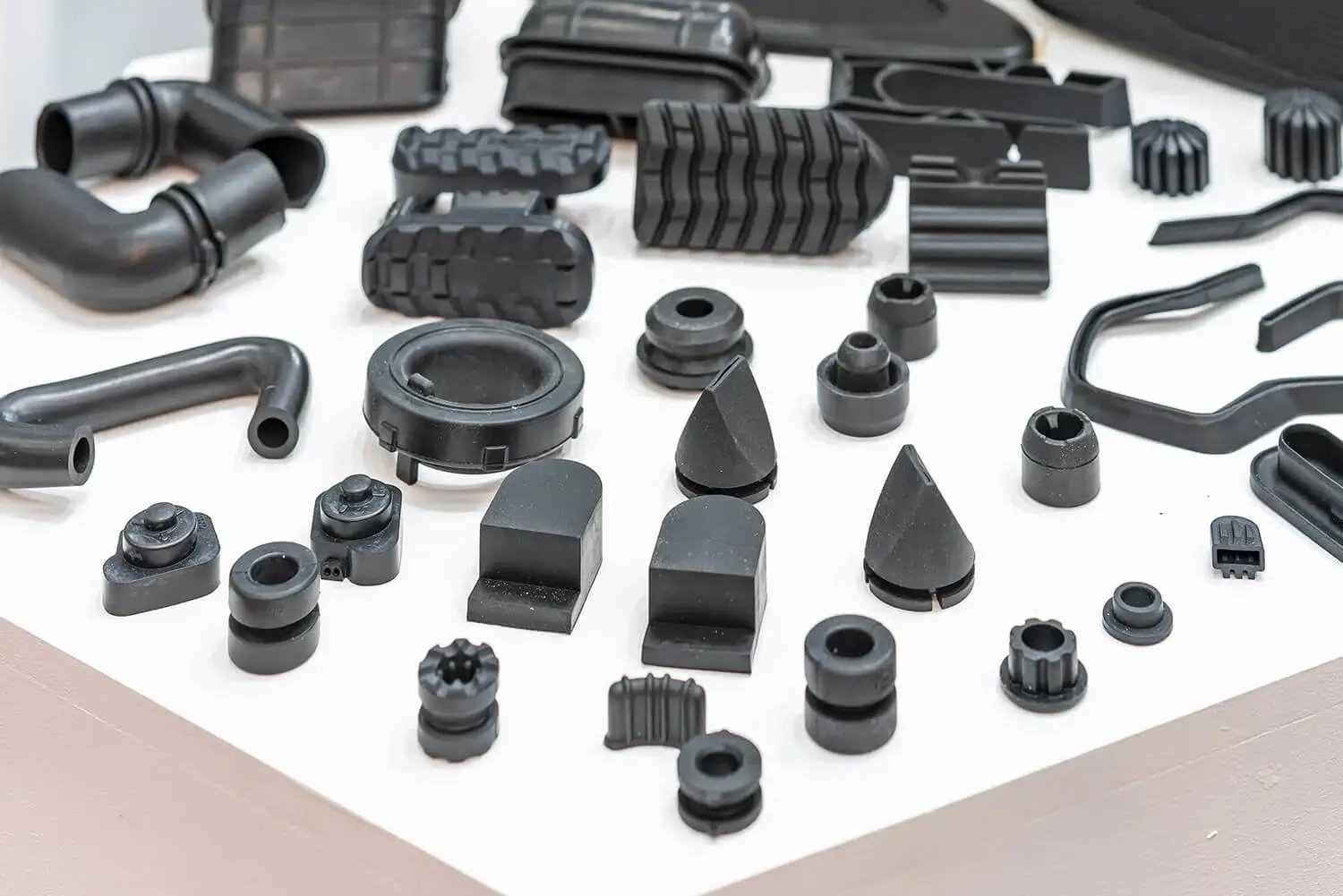
Custom molded seals are available in a virtually infinite range of shapes and cross sections. Darcoid works with best-in-class manufacturing partners to design and manufacture engineered elastomeric shapes for sealing systems and isolation applications. These seals are designed to work as individual components, or in combination with other sealing products in a system. Typically liquid injection molded silicones for medical devices thru transfer and compression molded fluorocarbons, nitrile, EPDM, HNBR etc.
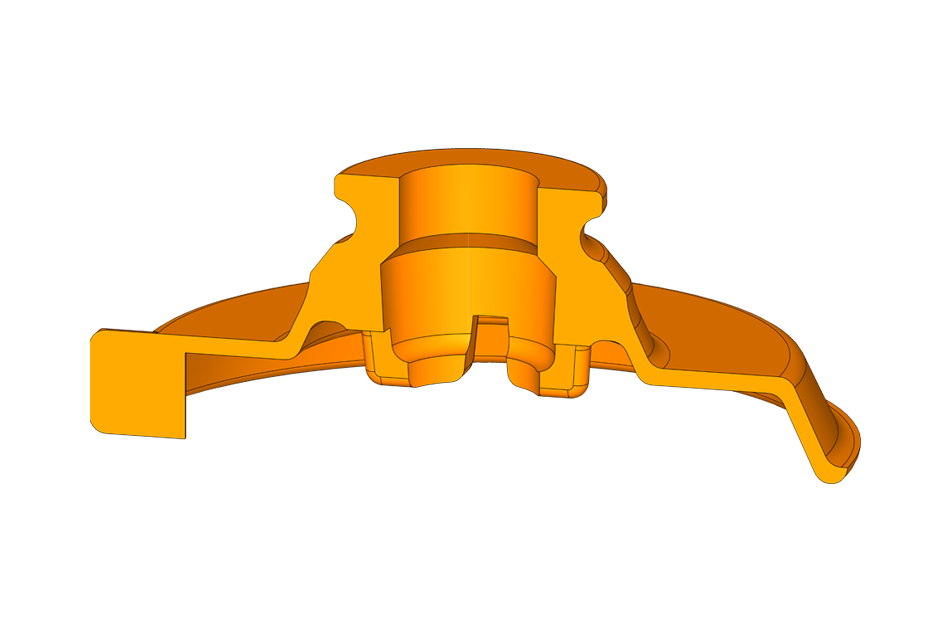
A custom profile becomes worth considering when the standard seal is forcing compromises elsewhere in the design. Common examples include excessive closure force, limited packaging space, difficult seal retention, repeated assembly problems, multiple sealing interfaces, or an application where a standard cross-section cannot provide the required performance. Custom geometry can change how sealing load, retention, movement, and compression are managed rather than simply changing the elastomer.
Yes. Changing the seal geometry can sometimes reduce the force required to close an enclosure, help the seal remain positioned during assembly, or combine functions that previously required multiple components. Hollow profiles, press-in-place features, bonded seals, and custom molded geometries are examples of approaches that can be engineered around assembly and hardware constraints.
Start with a STEP file or drawing of the mating hardware and provide the operating temperature, pressure or vacuum, media, movement, available closure force, expected life, annual volume, and any regulatory requirements. If you are replacing a seal that is not working, include the current seal design and describe what is failing. That lets the engineering team evaluate the whole sealing interface instead of simply reproducing the existing part.