Thermal / RF Shielding
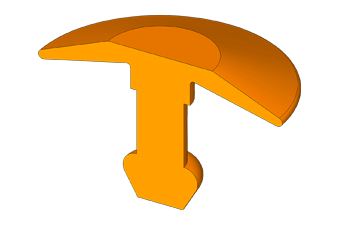
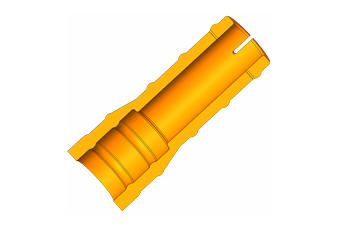
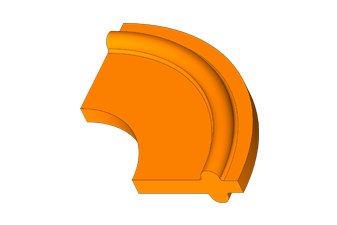
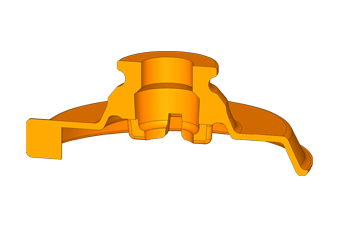
Elastomers by default are poor conductors of heat and electrical charge. For applications requiring thermal transfer such as heat sinks, or blocking of RF interference, please access Darcoid’s library of specially created thermal and RF shielding compounds.
Special Applications
More Information
Yes. Electrically conductive elastomers combine an elastomer binder with conductive particles, allowing the gasket to maintain electrical contact across an enclosure seam while also providing an environmental sealing function. This approach is used in electronics, aerospace and defense, industrial equipment, medical devices, telecommunications, and other applications requiring both enclosure protection and EMI control.
Selection involves both the elastomer binder and conductive filler. The binder influences temperature capability, fluid compatibility, weather resistance and mechanical behavior, while the conductive filler influences shielding performance, corrosion compatibility, weight, and cost. Housing material and the operating environment should therefore be considered along with required shielding effectiveness.
A conductive gasket must create a reliable electrical path across the mating interface while remaining within its acceptable mechanical deflection range. Too little compression can create high-resistance gaps and reduce shielding; too much compression or gland overfill can damage the gasket. Flange stiffness, fastener spacing, groove dimensions, tolerances, and gasket geometry are all part of the EMI seal design.