block pattern

Specs

Pressure Low
Dynamic Service Speed Low
Seal Directionality Bidirectional, Unidirectional
Manufacturing Method Extrusion
Common Modifications Co-extrusions of different elastomers
Catalog Standards N/A
Customizable Yes
Comparative Cost
grid pattern left

Special Applications

Thermal and RF management where non-homogeneity is possible.  Maximizes elastomer properties and localizes RF management function.


More Information

Additional information
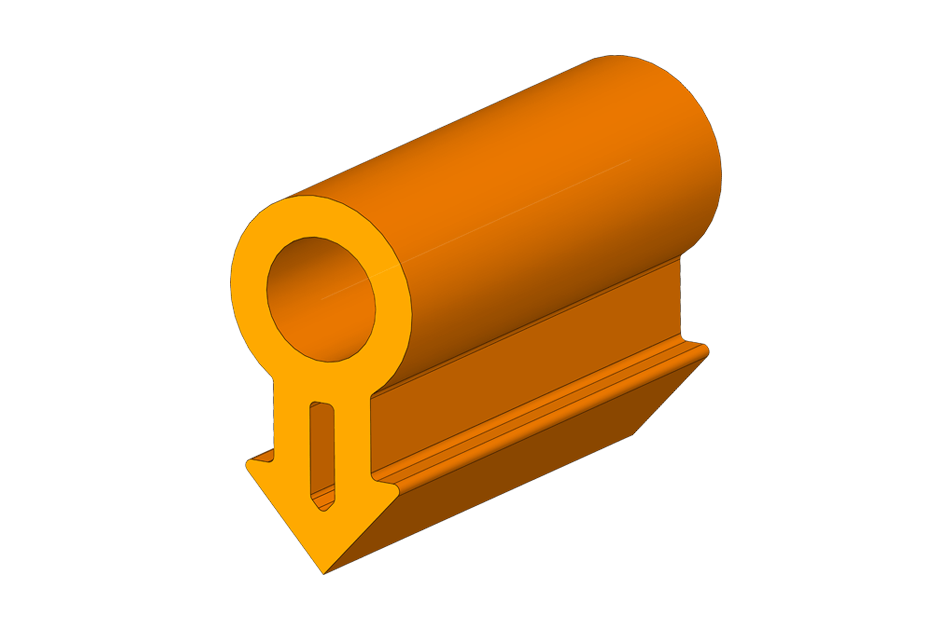
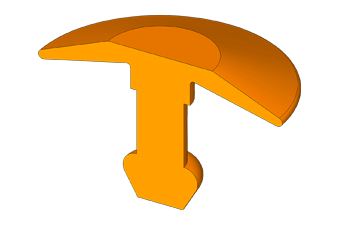
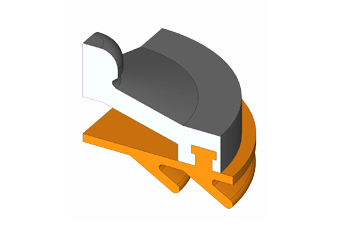
Typically a co-extrusion will feature an elastomer core or base layer to provide sealing resiliency with a co bonded layer providing additional capability such as enhanced conductivity or thermal management.
gfx grid bgstyle1
gfx grid bgstyle1m

Co-Extrusion FAQs

Co-extrusion is useful when different sections of one seal need to perform different functions. For example, one elastomer can provide flexibility and environmental sealing while another region provides conductivity, thermal performance, or another specialized property.

Yes. A conductive elastomer can be localized where electrical contact is required while a non-conductive elastomer provides environmental sealing and resilience. This can avoid designing two separate gasket systems.

Provide the flange or enclosure geometry, available compression, closure force, temperature and environmental exposure, required seal dimensions, and any EMI or thermal performance requirements. Attachment method and whether the profile will be supplied continuous, cut-to-length, or spliced should also be defined.