block pattern

Specs

Pressure Low, Medium, High
Dynamic Service Speed Static only
Seal Directionality Bidirectional
Manufacturing Method Compression, Transfer, Molding
Common Modifications Mold to gland layout shape
Catalog Standards N/A
Customizable Yes
Comparative Cost
grid pattern left

Special Application

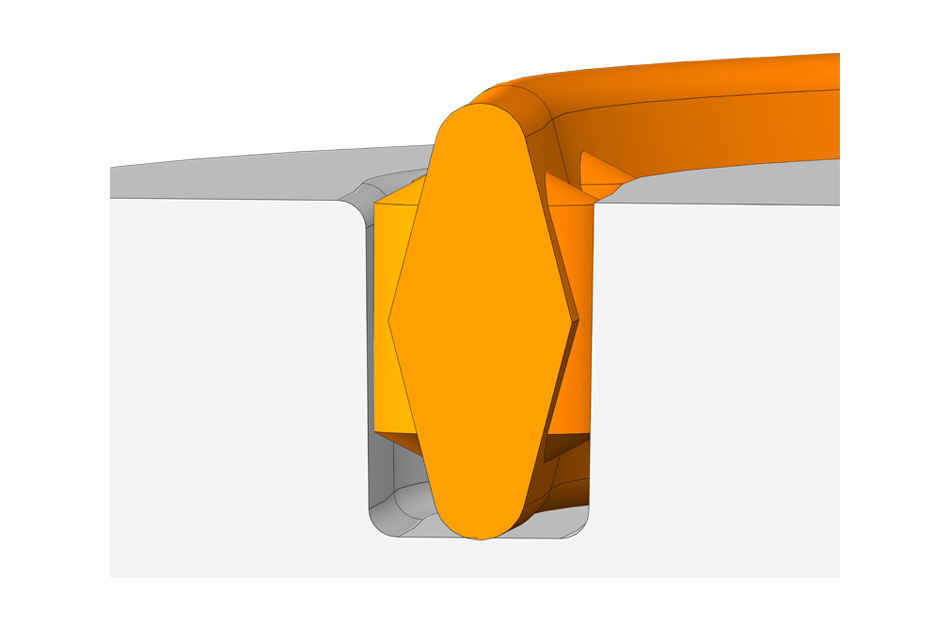
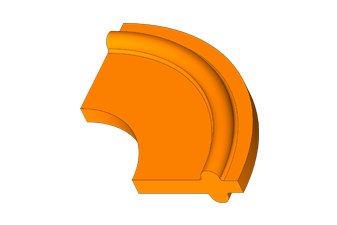
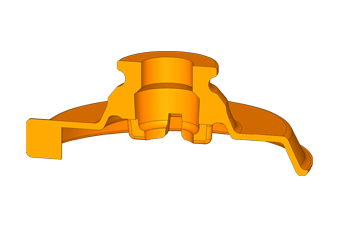
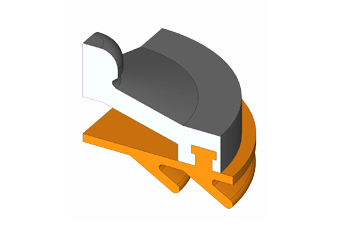
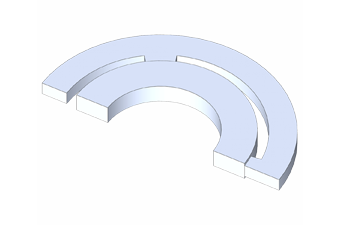
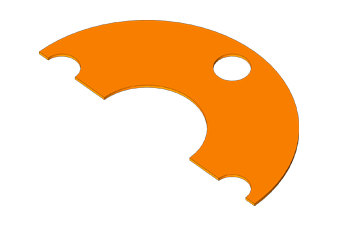
Low closure force, narrow aspect ratio.  Stays in place prior to gland closure producing significant assembly benefits.  Manifolded designs enable significant BOM count reductions, poke-a-yoke benefits.


More Information

Profiles and sizes
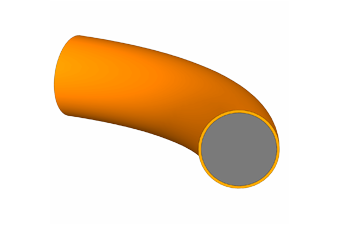
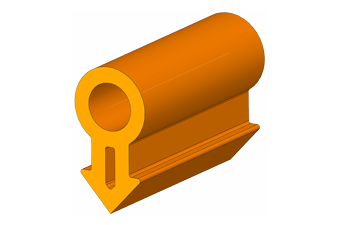
No industry standards, these seal types are typically custom designed to the application to address the specific demands of the application. For example, narrow seal package dimensions, inversion during assembly process, reduction of total number of seal components, reduced closure force, etc. Single or multiple seal "footprint" contact points.
gfx grid bgstyle1
gfx grid bgstyle1m

Press-in-Place & Diamond Seal FAQs

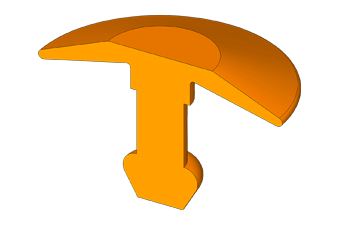
A press-in-place seal is useful when the seal needs to remain securely positioned during shipping, handling, or assembly. Retention features create interference with the groove so adhesive may be eliminated. This can simplify installation, reduce the chance of a displaced seal, and avoid introducing an adhesive into the assembly.

Yes. Custom press-in-place and Diamond Seal designs can incorporate multiple sealing areas into a single molded component. This can reduce individual seal count, simplify installation, and create a more poka-yoke assembly because the geometry itself helps control seal location and orientation.

No, but the profile must be engineered around the application. Seal geometry, material, groove design, flange stiffness, pressure direction, and available closure load all affect performance. Pressure capability should be evaluated for the complete sealing system rather than assigned to the seal shape alone.