block pattern

Specs

Pressure Low, Medium, High
Dynamic Service Speed Low, Medium, High
Seal Directionality Unidirectional
Manufacturing Method Compression, Injection, Compression-injection
Common Modifications Asymetrical lips, Net molded or knife trimmed lip (symmetrical legacy AN 6226)
Catalog Standards AN, Varies by OEM
Customizable Yes
Comparative Cost
grid pattern left

Special Application

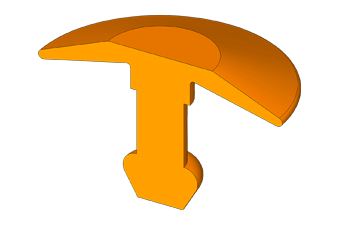
Lip/rod interface customizable from fully dry to self lubricating, high pressure delta possible, gland OD sizes seal lip to rod


More Information

Sizing standards
Standard hydraulic rod inch and metric sizes with profile and gland dimensions varying by OEM. Consult with Darcoid technical team for the optimal selection for your specific application.
Modifications

Asymmetrical lips for modifying load transfer and dynamic performance. Heel bumps for in groove stability. Shaped heel for integrated anti extrusion devices

gfx grid bgstyle1
gfx grid bgstyle1m

U-Cup FAQs

U-cups are designed specifically for dynamic rod and piston sealing. Their lip geometry allows pressure to energize the seal and can provide a more robust solution for reciprocating hydraulic or pneumatic service than using a conventional O-ring as the primary dynamic seal. The correct profile depends on whether the seal is on a rod or piston, operating pressure, speed, fluid, lubrication and hardware.

Different components perform different jobs. A buffer seal can protect the primary rod seal from pressure spikes, the rod seal controls fluid leakage, the wiper prevents external contamination from entering the cylinder, and wear rings control side loading. Selecting the components as a system can improve seal life and reliability compared with optimizing each seal independently.

Important inputs include rod or bore diameter, gland dimensions, pressure and pressure spikes, stroke and speed, hydraulic or pneumatic fluid, temperature, surface finish, expected side load, duty cycle, and whether leakage or friction is the dominant performance requirement. These conditions determine both the profile and material.